Full building rekey on turnover
New owner, new managing agent, or a master key that walked off with a former super. We rekey every cylinder back to a clean chart instead of replacing hardware that is still good.
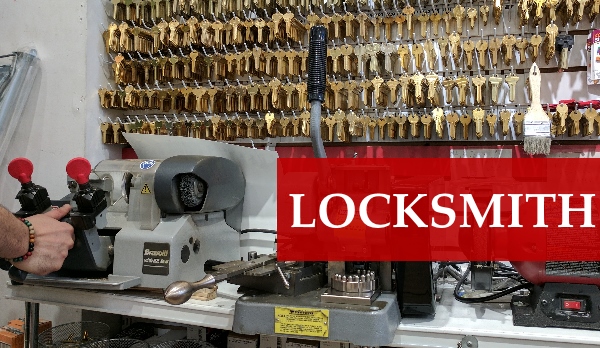
Manhattan buildings & offices
A master key system gives the super and the managing agent access to every door in the building, while each tenant carries a key that opens only their own. We plan it, cut it, install it, and keep the records so the next key is right the first time.
Serving all of Manhattan from real storefronts since 1988.
Every lock in a master system is pinned to accept more than one key. Read it from the top down: the widest key opens the most doors, and the narrowest opens a single apartment.
Own more than one building? A grand master ties the separate building masters together under one key for the owner.
Level 1
Held by the owner or the management company. Opens every door across every building in the portfolio.
Level 2
One key for the super. Apartments, offices, roof door, boiler room, mail room, compactor closet.
Level 2
Narrower access for a porter, a floor, a wing, or a contractor who only needs the mechanical rooms.
Level 3 · change keys
A tenant's key opens their door and nothing else. No tenant key ever passes in a neighbor's lock.
Restricted keyways
A standard key blank is sold everywhere, so a tenant, a contractor, or a former employee can walk out with a copy and you will never know. A restricted keyway uses a patented blank that only an authorized shop can buy and cut. Copies happen on your say-so, logged against your system, or they do not happen.
Move to restricted when you have staff turnover, shared common doors, sublets, or a master key that has been floating for years.
Keep it standard when the doors are low risk and you would rather tenants handle their own duplicates at the counter.
Mix both. Plenty of our buildings run restricted cylinders on the vestibule, roof and mechanical doors and standard cylinders inside the units.
The chart matters more than the hardware. Get the chart right and the building runs on it for years. We work the same five steps on a six-unit walk-up and on a full office floor.
A locksmith comes to you, opens doors, checks existing cylinders, frames and strikes, and asks who needs to get where. Supers usually know the trouble doors before we do.
We build the key chart: every door numbered, every key level defined, and a written answer to who holds what. You approve it before a single cylinder is ordered.
Standard or restricted keyway, deadbolt grade, mortise or cylindrical, and whether the common doors should move to a keypad. We tell you where spending more is worth it and where it is not.
Cylinders are pinned to the chart at the shop, then installed on site and tested door by door with the tenant key and the master key in hand. Keys are tagged and handed over in sets.
We hold your key chart on file at the shop. Call two years later for one more key to 4B and it gets cut to code, not copied off a worn original that already sticks.
Most master key jobs start with one problem and turn up three more. We handle all of it with the same crew.
New owner, new managing agent, or a master key that walked off with a former super. We rekey every cylinder back to a clean chart instead of replacing hardware that is still good.
A strong cylinder in a soft frame buys you nothing. We fit reinforced strike plates, long screws and wrap plates on entry and stairwell doors that take abuse.
Keypad and fob locks on vestibules, laundry rooms, gyms and office suites. Change a code when someone moves out instead of collecting keys you will never get back.
We will tell you honestly where the locks stop and where a camera earns its keep, so the security budget goes to the doors and corners that matter.
Basics Plus has been keying Manhattan buildings since 1988. Brownstones, co-ops, office floors, storefronts. When something goes wrong with your system, there is an address you can come to and a person behind the counter who knows the chart.
35+
Years keying Manhattan buildings
3
Storefront shops in Manhattan
24/7
Emergency lockout response
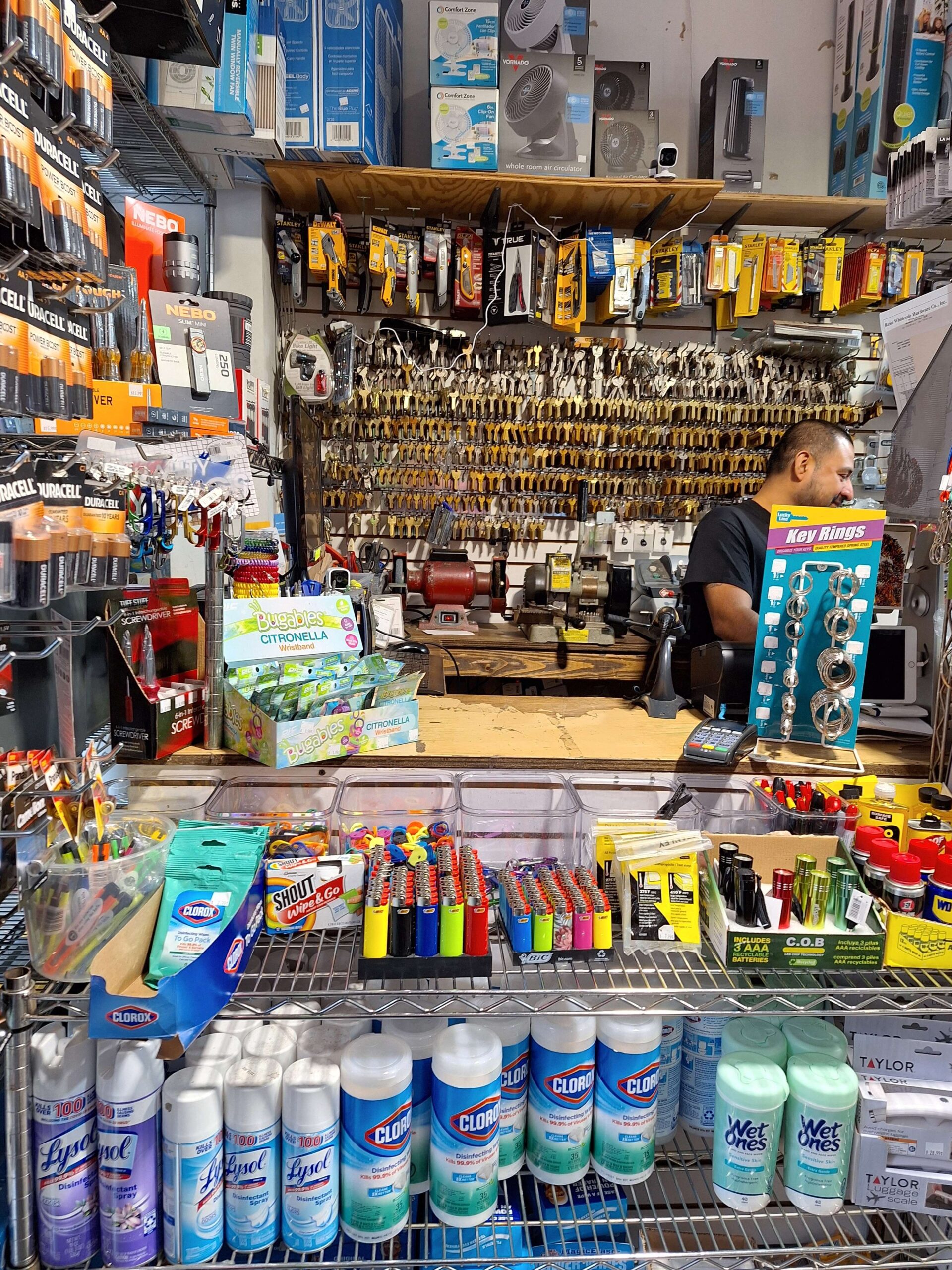
Basics Plus Union Square, 121 University Place at 13th Street.
Call the shop if yours is not here. We would rather answer it on the phone than have you guess.
212-510-8320Start here
Tell us about the building and we will set up a walkthrough. If it is faster to talk it through, call the shop and ask for the master key desk.