01
Safe opening
Combination lost, code forgotten, keypad unresponsive, key missing. A licensed locksmith opens the safe with the least damaging method the lock allows, then tells you honestly whether the lock can be reused.
Locksmith services / Safes & vaults
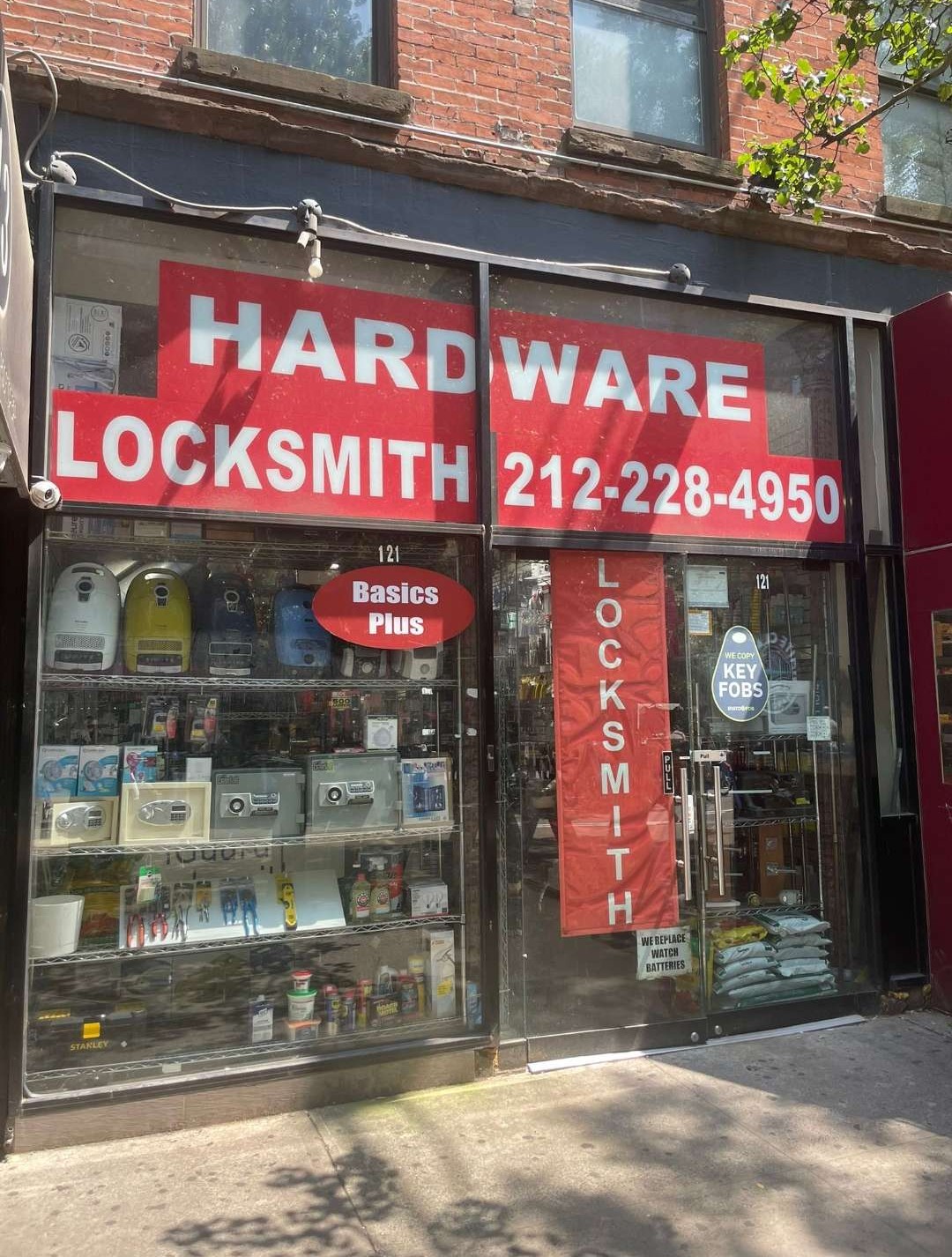
Combination gone. Keypad dead. Dial that will not turn. A new safe that needs to be bolted down properly. Basics Plus has worked on Manhattan safes since 1988, from a closet lockbox to a commercial vault, out of a real storefront with licensed locksmiths behind the counter.
Safe opening is performed by a licensed locksmith, and we ask for proof that the safe is yours before we touch it.
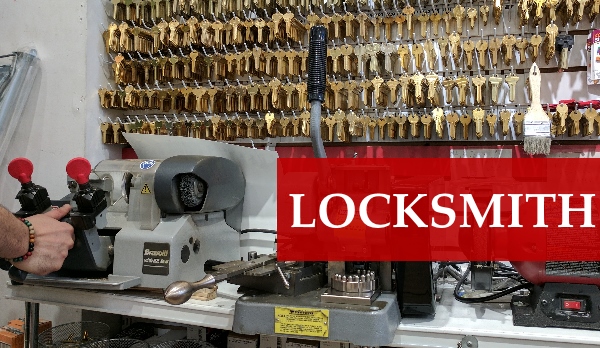
A safe is only useful while it opens for you and stays shut for everyone else. We work on both halves of that. Our locksmiths open safes when the combination is lost or the electronics fail, reset codes after a staff change or a move, convert a tired dial to a keypad, and anchor new safes so they cannot simply be carried out the door.
We handle everything from a closet lockbox in a studio apartment to a commercial vault in an office or store. If you are not sure what you have, send a photo of the door and the label when you call and we will tell you what we are looking at.
35+
Years serving Manhattan
1988
Same neighborhood, same trade
24/7
Emergency locksmith line
What we do with safes
01
Combination lost, code forgotten, keypad unresponsive, key missing. A licensed locksmith opens the safe with the least damaging method the lock allows, then tells you honestly whether the lock can be reused.
02
New apartment, new manager, new tenant, or a code too many people know. We reset mechanical combinations and electronic codes, set up user codes for staff, and write nothing down on site.
03
Spinning a dial three times gets old, especially in a shop. We swap a mechanical dial for a keypad lock that fits the same door prep, so the safe body stays exactly as it is.
04
A safe that is not bolted down is a heavy box with handles. We anchor to floor or wall in apartments, brownstones, offices, and behind the register, matching the hardware to the structure we are drilling into.
05
Sticky dial, gritty feel, bolts that bind, a keypad that has gone dark. Most of it is lubrication, a battery and contact cleanup, boltwork adjustment, or a lock replacement. Better to fix it before it locks you out.
06
Fire rating or burglary rating, how big it really needs to be, and where it can physically live in a Manhattan apartment or store. Come by the counter or call and talk it through before you buy.
Opening a locked safe
Safe work is not a mystery, it is a sequence. Here is what happens from the first phone call to the door swinging open.
Call 212-510-8320Brand and model off the label if you can find it, dial or keypad, roughly how old, and where it sits. A photo of the door helps more than a long description.
Before any safe is opened we verify that it belongs to you: photo ID plus something tying you to the address or the business, such as a lease, deed, utility bill, or purchase paperwork for the safe. Executors and property managers should bring their authorization. This protects everybody, including you.
Manipulation, a manufacturer reset, or a change key first where the lock allows it. Drilling is a last resort and we say so before we start, along with what it will take to put the safe back in service.
Repair or replace the lock, set a fresh combination you choose, test the boltwork a few times with the door open, and re-anchor the safe if it was loose. You leave knowing the code and knowing it works.
Before you buy
They are different ratings and different builds. A fire safe protects paper and drives from heat for a rated time. A burglary rated safe resists attack with tools. Some models do both, and they weigh accordingly.
Almost everyone buys too small. Measure what goes in today, then add room. Also measure the hallway, the elevator, and the doorway, because a safe that cannot reach the closet is a problem we cannot solve on site.
Closet floor, inside a cabinet, in a wall cavity between studs, or under the counter by the register. Out of sight beats out in the open, and an anchored safe in a quiet corner beats a heavy one nobody bolted down.
Straight answer on supply: we install and service safes rather than run a showroom. Tell us what you are considering and we will say whether it suits the space and how it can be anchored. Ask us about supply when you call, since availability changes.
Do not see yours here? Call and ask. We would rather talk it through than have you guess.
Usually, yes. Where the lock allows it we open by manipulation, a manufacturer reset, or a change key, which leaves the safe fully usable. Some locks and some high security models can only be opened by drilling a small, precise hole. In that case we tell you before we start, we drill where the safe is designed to be repaired, and we fit a new lock and plug afterward so it goes back into service.
Yes. A licensed locksmith opens a safe only for its owner or an authorized representative. Bring photo ID and something connecting you to the address or business, such as a lease, deed, utility bill, or the original purchase paperwork. If you are an executor, a manager, or a landlord, bring the documentation that gives you authority.
Most mechanical dial locks are designed to be reset with a change key, and we do that regularly on safes decades old. The current combination has to be known and the lock has to be in working order. If the dial feels gritty or the wheels drag, we service or replace the lock first, then set the new combination and test it several times with the door open.
Often, but check your lease and your building rules first, since anchoring means drilling into a floor, wall, or closet structure. We match the anchors to what we are drilling into, whether that is a concrete slab, a wood subfloor, or studs in a brownstone wall. If drilling is off the table, talk to us about alternatives such as placing the safe inside a cabinet or choosing a heavier unit.
Our work is installation and service: anchoring, opening, combination changes, lock conversions, and repairs. We are happy to advise on what to buy for your space and rating needs. Ask about supply when you call, since what we can source changes.
Not necessarily. A dark or unresponsive keypad is frequently a battery, a corroded contact, or a loose cable behind the pad. Try fresh batteries of the correct type first. If it still will not wake up, we diagnose the lock on site and either repair it or fit a replacement that matches the existing door prep.
Call the shop and describe it. We will tell you what is likely going on, what proof of ownership to bring, and whether this is a counter job or a visit to your apartment or store.
Serving Manhattan since 1988. See every locksmith service we offer or find the nearest storefront.